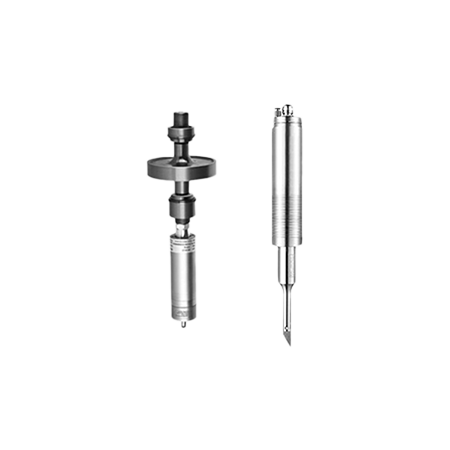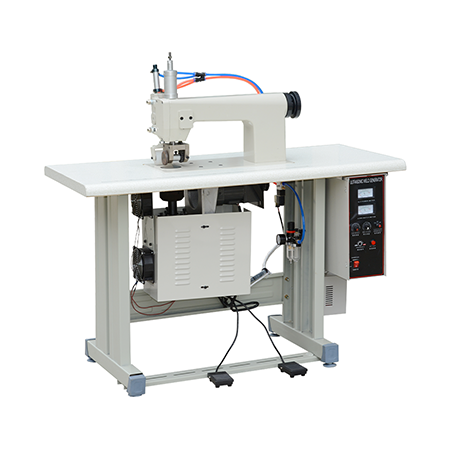
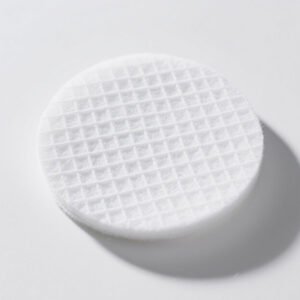
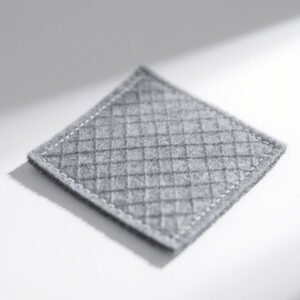
The ultrasonic welding of non-woven fabrics relies on their thermoplastic polymer material properties and unique physical structure, where frictional heat generated by high-frequency vibration melts and bonds the fiber interfaces. Thermoplastic polymer materials such as PP and PET are selected, whose molecular chains exhibit segmental mobility and diffusion capability at high temperatures, with melting points matching the instantaneous heat generation range of ultrasonic welding. The type and content of additives should balance heat resistance and welding adaptability. The fibers form a three-dimensional interwoven non-woven network, where density and thickness determine energy penetration efficiency. Thicker fibers and a compact structure optimize heat conduction and uniform distribution. For multi-layer composite structures, compatibility of melting points among layers must be ensured to avoid welding failure due to thermal conductivity differences. This collaborative design of material properties and physical structure enables ultrasonic energy to act precisely on the welding interface, achieving efficient and environmentally friendly fusion bonding.
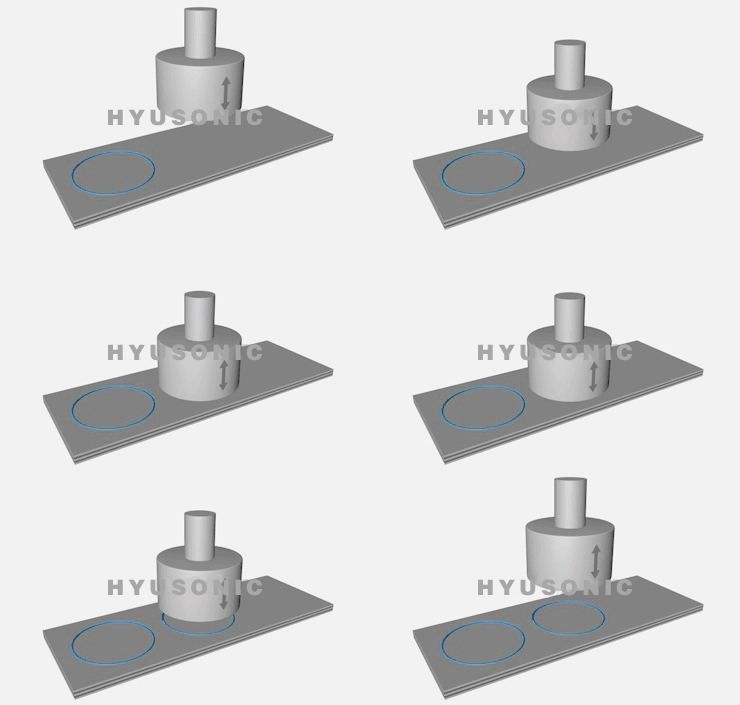
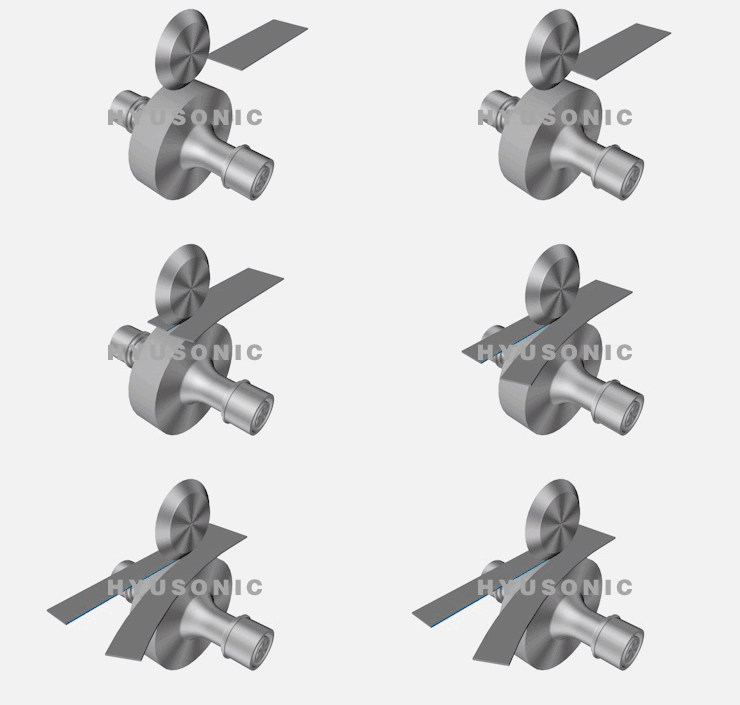
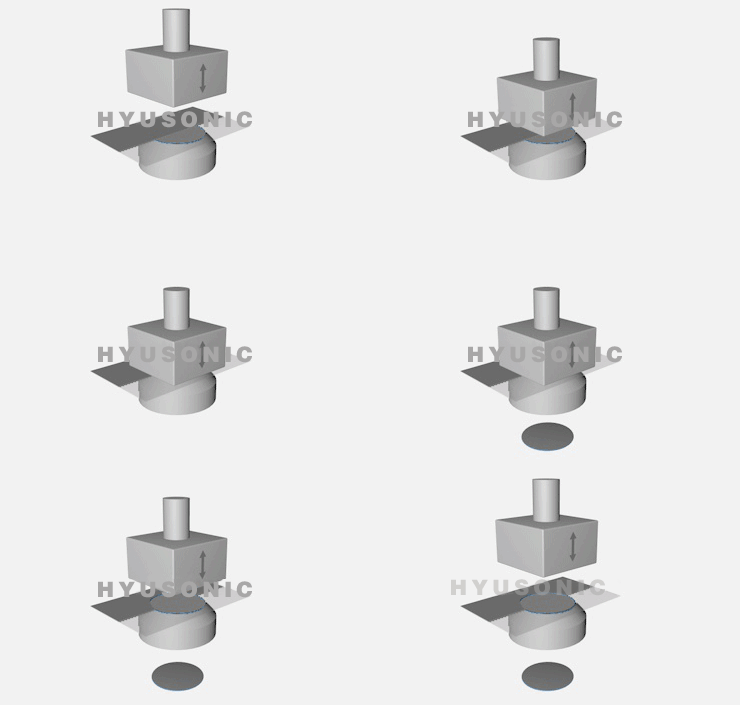
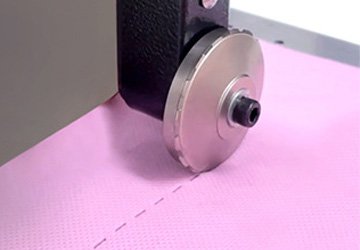
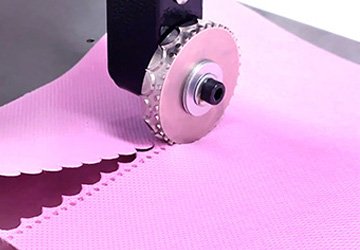
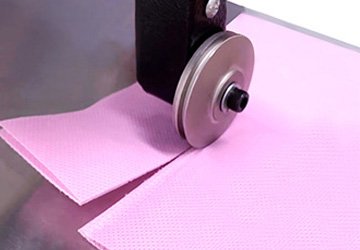
Leveraging Hyusonic’s ultrasonic systems (welding machines, lacing machines, seaming equipment, and cutters), these applications span medical, industrial, and consumer sectors, integrating welding, cutting, and edge sealing with technical efficiency:
No. 168 Weita Road, Zhangpu Town , Kunshan , Suzhou , Jiangsu , China
+(86) 13776317970
rui.zhang@hyusonic.com
hyusonic2009@gmail.com