

Ultrasonic Wire Welder ST series
-
Digital Ultrasonic System
Components Precision-engineered with high-performance acoustic parts . -
Full-Series Modular Design
Scalable configurations for diverse production needs. -
CE & ISO 9001 Certified
Compliant with EU Machinery Directive and global quality standards for risk-free global deployment. -
Quality Control Window
Set time threshold to control welding quality
description
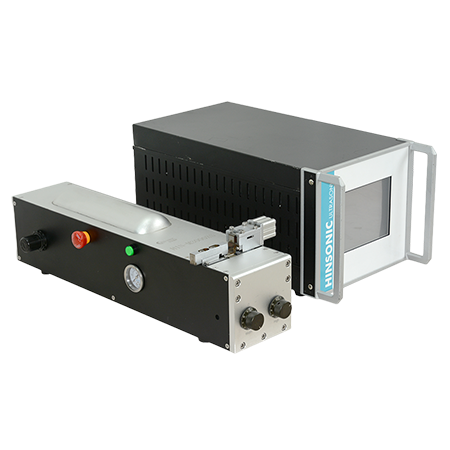
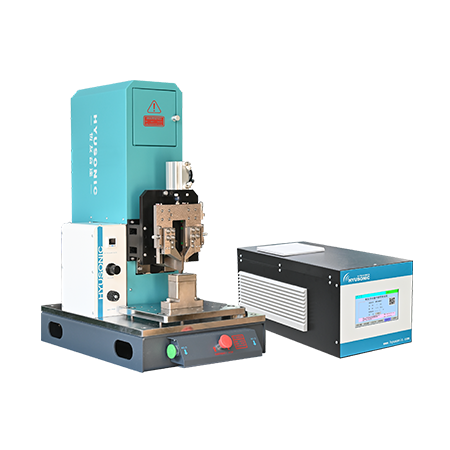
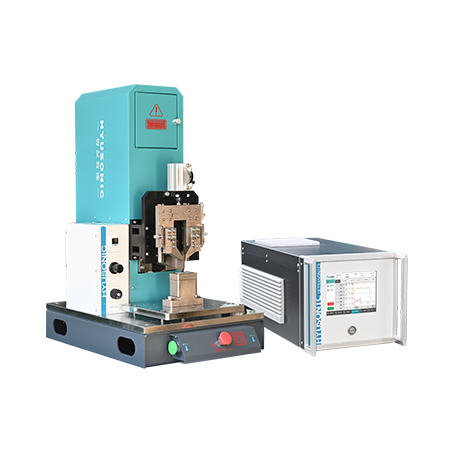
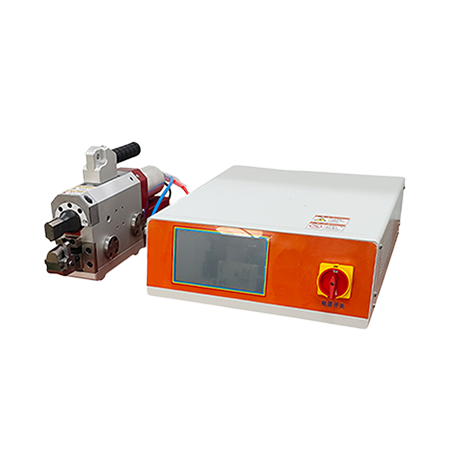
The ST Series ultrasonic wire welder is engineered for high-performance metal wire welding, featuring a digital ultrasonic system for fast, precise, and stable welding. With ultra-low post-weld resistance and unmatched efficiency, it excels in automotive and battery wire harness applications. Optimized for copper and aluminum harnesses, it ensures reliable, industry-grade connections.
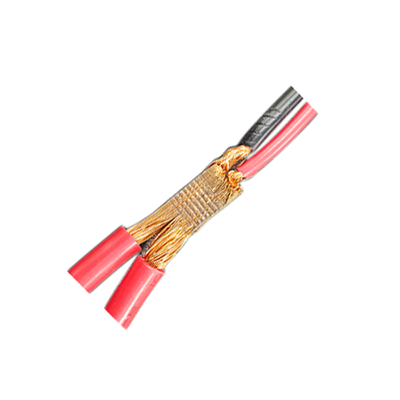
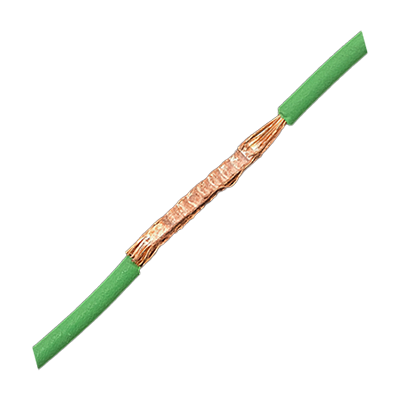
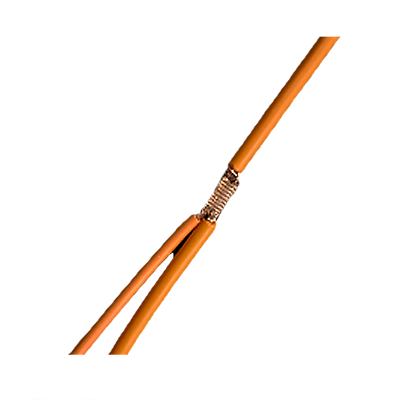
This ultrasonic wire welder can complete welding in about 1 second, commonly used for welding copper to copper, copper to aluminum, and aluminum to aluminum wires. It allows customization of the welding head size, peak output power, and output pressure according to the wire harness diameter. The modular design also enables quick replacement of the welding head, enhancing efficiency.
Why choose ultrasonic wire harness welding machine ST series
Intelligent Monitoring System
Equipped with professionally designed automatic welding monitoring, defective product detection, multiple welding modes, it meets the requirements of most welding scenarios.
Stable Ultrasonic System
The ST series ultrasonic wire harness welding machine adopts a well-designed structure and a stable ultrasonic system, which is specially used for metal wire harness welding, and the welding is fast, clean and stable.
Price & Service
HYUSONIC, a Chinese ultrasonic welding machine manufacturer, ensures first-tier quality via excellent supply chains at favorable prices, offering comprehensive trial welding, training, warranty and after-sales support.
Customized Welding Solutions


Minimal Thermal Impact & Clean Welding
Ultrasonic wire welder generates minimal heat, preserving the insulation integrity of wires and preventing thermal damage to sensitive components. The process is flux-free and residue-free, meeting strict cleanliness standards for medical, automotive, and aerospace industries.
Technical data
| Parameter | Specifications/Range | |
|---|---|---|
| Technical Data | Machine Power | 800W / 1200W / 2500W / 3000W / 4000W / 5000W / 6000W / 10000W |
| System Frequency | 20kHz | |
| Power Input | ① AC220V ±10%, 50Hz/60Hz ② AC380V ±10% | |
| Weight | 55KG / 160KG | |
| Welding (Range/Precision) | Energy Range | 1ws – 9999ws |
| Welding Time | Range: 0.01s – 10s | |
| Dimensions | Frame (L×W×H) | 400mm × 680mm × 1280mm |
| Generator (W×D×H) | 265mm × 580mm × 255mm |
welding cases
Customer FAQs
Why choose ultrasonic welding over resistance welding for copper harnesses?
Ultrasonic avoids heat-affected zones (HAZ), reduces energy use by 40%, and works with AC220V input (vs heavy 3-phase for resistance).
Ultrasonic welding has lower resistance, and most industries use copper wire to distribute electricity, which requires conductive properties.
How to weld multi-strand wires without fraying using ultrasonic splicers?
Use serrated anvils, apply 2000N–4000N clamping force, and set short weld times (0.1s–0.3s) to fuse strands uniformly.
How to validate weld strength in medical-grade wire harnesses?
Perform pull tests (≥80% base material strength), microsection analysis, and comply with ISO 13485 for hermetic seals.
How does ultrasonic wire harness welding improve conductivity compared to crimping?
Ultrasonic welding creates molecular bonds without oxidation, ensuring 99%+ conductivity. Crimping risks micro-gaps, leading to resistance buildup over time.
What is the maximum wire gauge an ultrasonic wire splicer can handle for automotive harnesses?
High-power machines (e.g., 4000W–6000W) reliably splice wires up to 10 AWG. For precision work (e.g., 24 AWG), use systems with 20kHz–40kHz frequency and 0.01mm displacement control.
Can ultrasonic wire splicers join copper and aluminum wires for hybrid harnesses?
Yes! Use 30kHz–35kHz frequency and pressure settings (e.g., 3000N) to fuse dissimilar metals without flux or solder.